Start screening for autism spectrum disorder with the M-CHAT-R
Answering the right questions with evidence-based assessment
A Supportive Path Toward Understanding
Noticing differences in your child's development can raise questions. You may be wondering what's typical, what's not, and how to support your child best. At Mindcolor Autism, our clinical team is here to walk alongside you, offering guidance and a supportive path toward understanding your child's unique strengths and needs.
Early Screening, Meaningful Progress
Early screening is an important first step in that journey, and tools like the M-CHAT-R can help guide it. When developmental differences are identified early, families can begin individualized support sooner. Earlier intervention can help children with autism build essential skills, supporting meaningful progress over time.
A widely used screening tool for young children
A Widely Used Tool
One of the most widely used screening tools for young children is the Modified Checklist for Autism in Toddlers, Revised (M-CHAT-R). Developed by researchers in early autism detection, this checklist helps identify potential signs of autism spectrum disorder (ASD) in children.
Simple Yes/No Questions
M-CHAT-R uses yes/no questions about everyday behavior to screen for the likelihood of autism spectrum disorder (ASD). A result indicating a likelihood of autism does not confirm a diagnosis. Still, it does suggest that a more comprehensive evaluation with a qualified professional may be the next step.
A First Step Toward Support
This screening tool is often part of the process before starting applied behavior analysis or ABA therapy for kids. It's a scientifically validated approach used to support skill development in children with autism. If you've noticed differences or have questions, screening tools can help you better understand what you're observing and whether further support may be helpful.
Designed for children between 16 and 30 months old
The M-CHAT-R is designed for children between 16 and 30 months old, a stage when early communication, social interaction, and play skills are continuing to develop. Some parents choose to complete the screening as part of routine developmental checkups, while others use it when they want more clarity about specific behaviors.
Common signs that may prompt screening include:
Communication
Delayed speech or not consistently responding to their name
Social
Limited eye contact or reduced interest in interacting with others
Play
Repetitive use of toys or limited pretend play
Behavior
Sensitivity to changes in routine or sensory input
A quick, parent-friendly screening
The M-CHAT-R is a quick, parent-friendly screening you can complete in minutes.
What to Expect
- 20 simple yes/no questions
- About 5 minutes to complete
- Immediate results with next steps
You may choose to take the screening if you have concerns, received a recommendation from your child's provider, or simply want reassurance about your child's development.
Take the Screening Now
Begin the M-CHAT-R right now and receive your child's results immediately. Completes in about 5 minutes.
20 Questions
Important: M-CHAT-R is not a diagnostic tool and is only used to identify potential signs of ASD.
M-CHAT-R results are grouped into three categories
Low Likelihood
Score Range: 0 to 2
A low score suggests a lower likelihood of autism. At this stage, you can continue to observe your child's development and monitor milestones over time. If new concerns arise, you can always repeat the screening or discuss your concerns during routine checkups.
Moderate Likelihood
Score Range: 3 to 7
These results suggest that your child may benefit from closer monitoring. A follow-up with your child's pediatrician is encouraged as a next step. They may recommend a more detailed diagnostic evaluation.
High Likelihood
Score Range: 8 to 20
A higher score indicates a greater likelihood of autism-related behaviors. In this case, a comprehensive diagnostic evaluation is recommended. Our clinical team at Mindcolor Autism can guide you through this process.
These ratings are a starting point for understanding your child's development. Our team at Mindcolor Autism can help you make sense of what they mean and guide you toward the next steps that support your child.
An early evaluation does more than give you a better understanding of your child's needs
Brings More Clarity
Many developmental differences can look similar in early childhood. A structured evaluation helps determine whether behaviors align with autism or another developmental path, giving you a clearer understanding of what your child needs for optimal development.
Supports More Effective Early Intervention
When their needs are identified early, support can begin sooner. This may include ABA therapy for kids, which helps children build essential communication, social, and daily living skills.
Helps Identify Strengths and Support Needs
Evaluations look beyond challenges. They assess communication, social interaction, learning patterns, and daily living skills to create a well-rounded picture of your child.
Guides Personalized Support Planning
Results are used to develop individualized recommendations, helping determine the appropriate type of support and how to approach learning and skill-building.
Improves Everyday Experiences
Understanding your child's needs can reduce frustration during routines and transitions. This can also improve communication and support more positive interactions at home and in social settings.
Empowers Families With Direction
Early evaluation gives you a clearer path forward. With this guidance, you can make informed decisions about therapy, education, and daily strategies that support your child's growth.
What to expect after screening
If you choose to move forward with Mindcolor Autism for a diagnostic evaluation after screening, here's what you can expect as we guide you through an evaluation and, if appropriate, therapy.
Detailed Family Interview
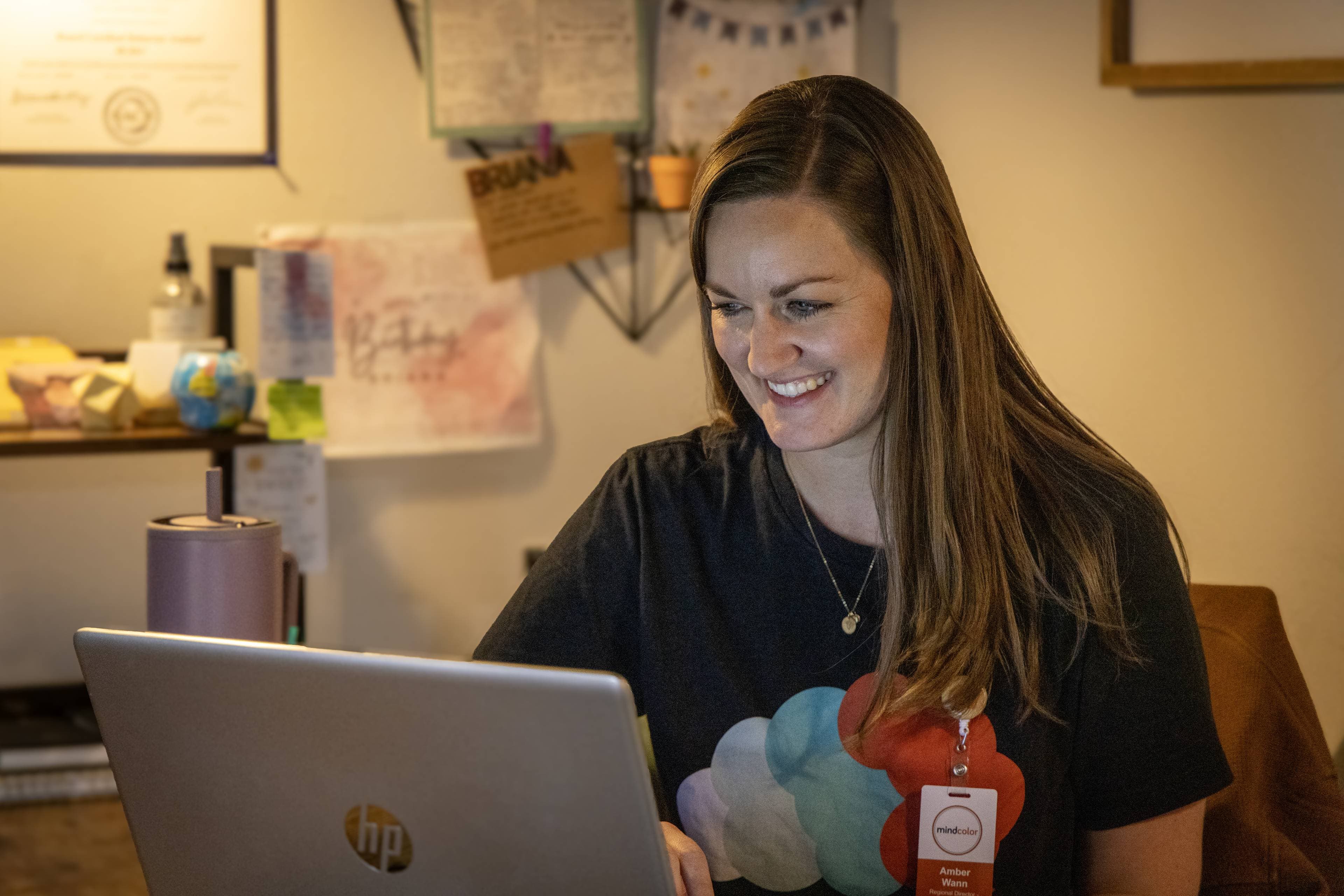
We begin with a conversation to understand your child's developmental history, daily routines, and communication and behavior patterns. You'll have time to share your observations, concerns, and goals. This discussion helps us gather context and build a clearer picture of how your child experiences and responds to their everyday environment.
Assessments & Observations
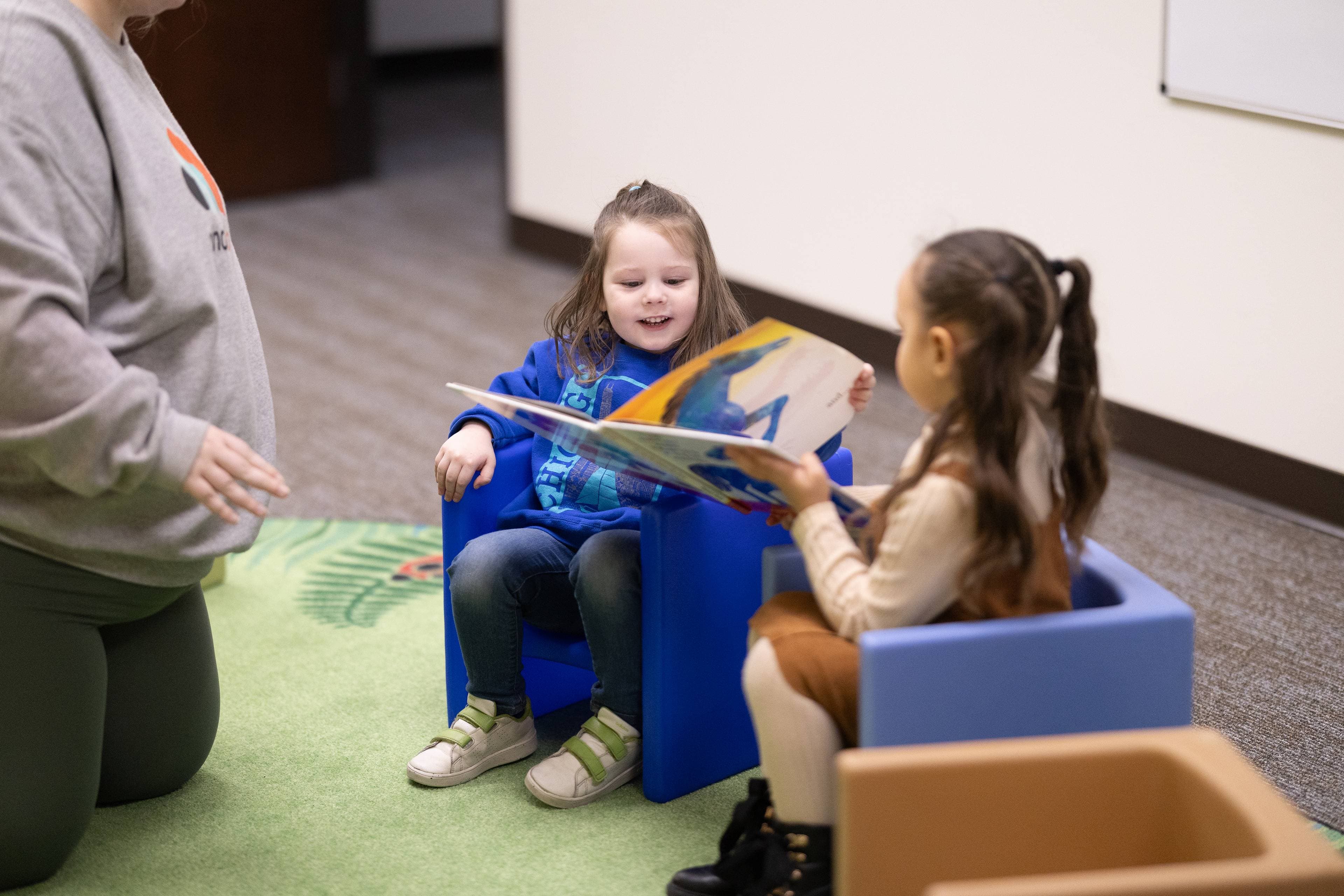
Our clinicians use structured activities and standardized tools to observe how your child communicates, interacts, and responds to their environment. These observations help us understand how your child learns and where support may be most helpful.
Results & Recommendations
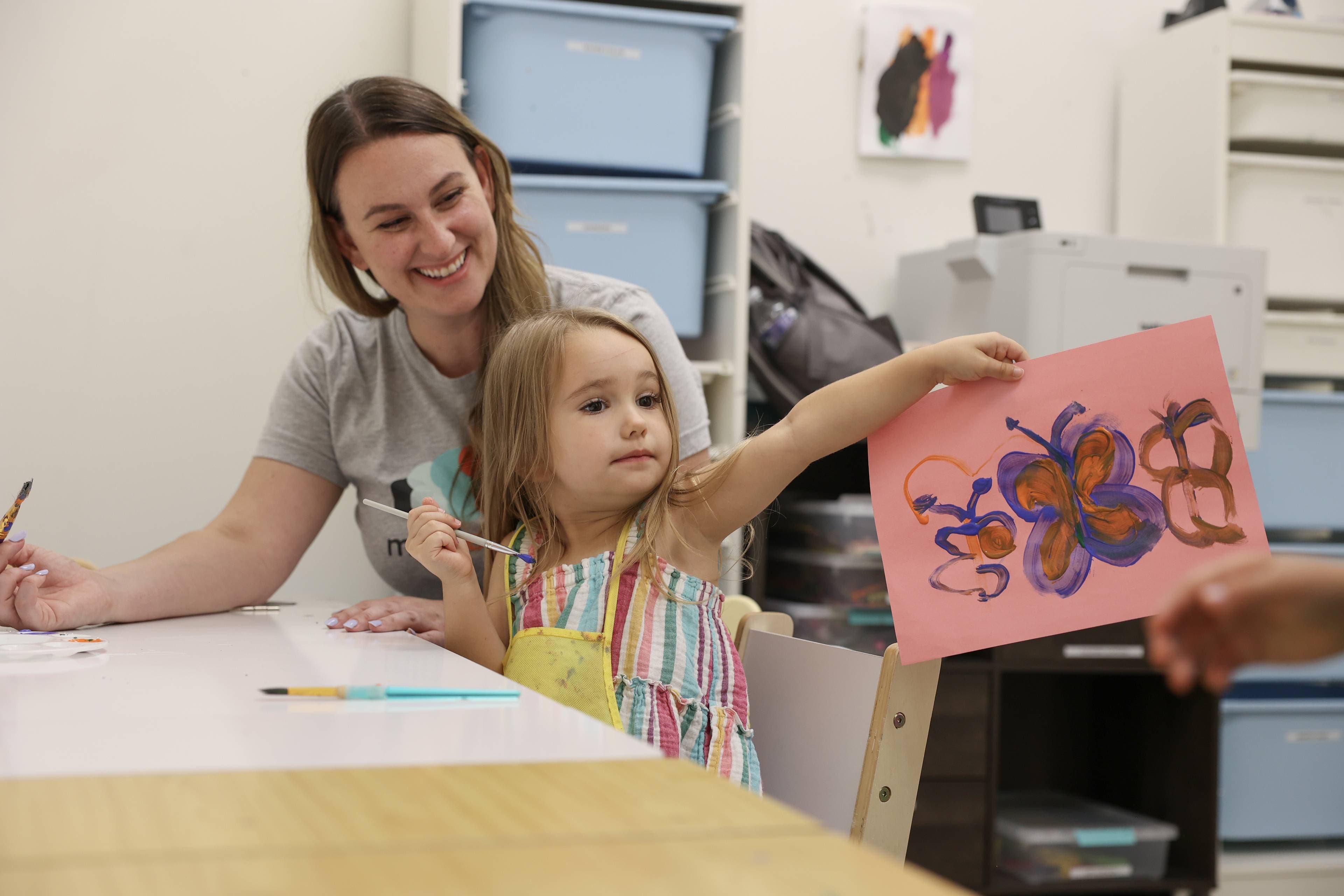
Once the evaluation is complete, we review the findings with you. We highlight your child's strengths, identify areas where support may help, and explain what it all means. You'll receive specific recommendations and next steps, which may include ABA therapy and other supportive services.
A supportive, play-based day designed for growth
After an evaluation, your child may begin center-based ABA therapy at Mindcolor Autism. Each session follows a structured yet flexible routine designed to support learning in a way that feels natural and encouraging. Our goal is to create a positive environment where your child can build important skills through guided, engaging activities.

Easing Your Child Into the Day
Each session begins with a consistent, welcoming routine. Your child is greeted by their assigned therapist in a sensory-friendly environment designed to ease the transition from home to the center. This helps them feel comfortable and ready to begin their day.

Learning Through Play
At the core of therapy is structured, play-based learning. Therapists use games and interactive activities to teach new skills, using positive reinforcement to encourage progress. Sessions focus on developing communication, learning readiness, and daily living skills in ways that feel engaging and motivating.

Strengthening Social Interaction Skills
Children receive a combination of one-on-one support and small group interaction to build social skills. Through guided activities, they practice turn-taking, communicating with peers, and responding to social cues, helping them grow more confident in social settings.
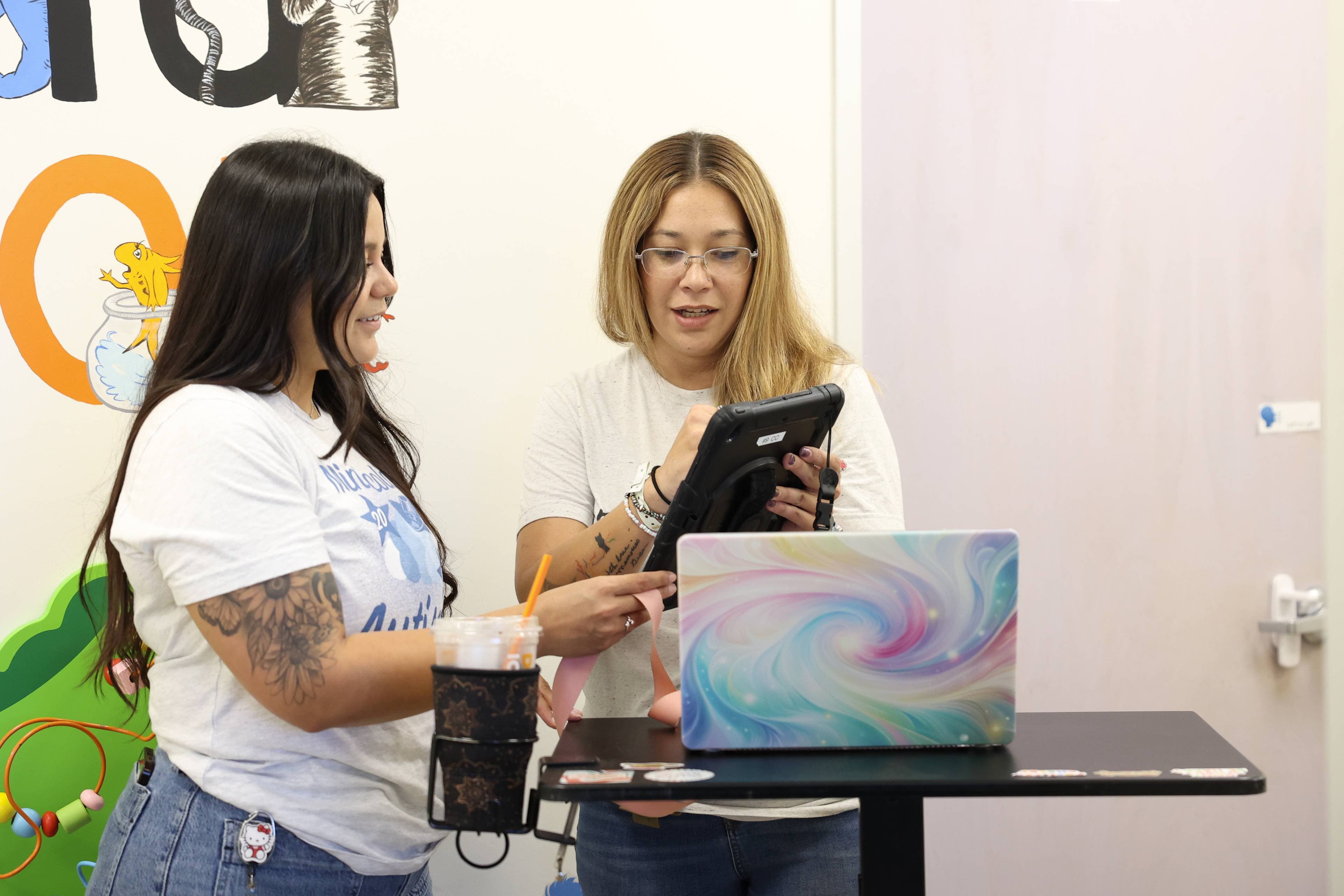
Ongoing Communication With Families
We keep you informed with regular updates after each session, sharing progress, skills practiced, and key observations. Our team also provides simple strategies you can use at home, helping create consistency and reinforce your child's learning beyond the center.
Care designed around your child's unique needs
Choosing the right provider is about finding a team that understands your child and supports your family every step of the way. Since 2019, Mindcolor Autism has taken a thoughtful, collaborative approach to helping families impacted by autism. We're here to work closely with you to create a supportive environment where your child can learn and build helpful skills over time.
Individualized Therapy Plans
Every child receives a personalized therapy plan based on evaluation findings. Programming is also based on data and continuously adjusted as your child makes progress.
Working Together for Your Child
Therapy is most effective when everyone works together. Our team coordinates with parents and caregivers to create a unified support system that helps your child succeed.
Holistic Approach
Our approach supports multiple areas of development, including communication, social interaction, readiness for learning, and independence in daily routines. By focusing on the whole child, we help build practical and transferable skills for real-life situations.
Support That Extends to Your Home
We provide updates after each session, including which skills were practiced and how your child is responding. Our team also shares strategies to reinforce learning during their daily life at home.
Get started with ABA therapy at Mindcolor Autism.
Begin your journey with us. Together we can create a bright future for your child.
Get started with a quick screening
The M-CHAT-R takes just a few minutes to complete and can help you better understand your child's development. And when you're ready, our team at Mindcolor Autism is here to help you navigate the next steps.