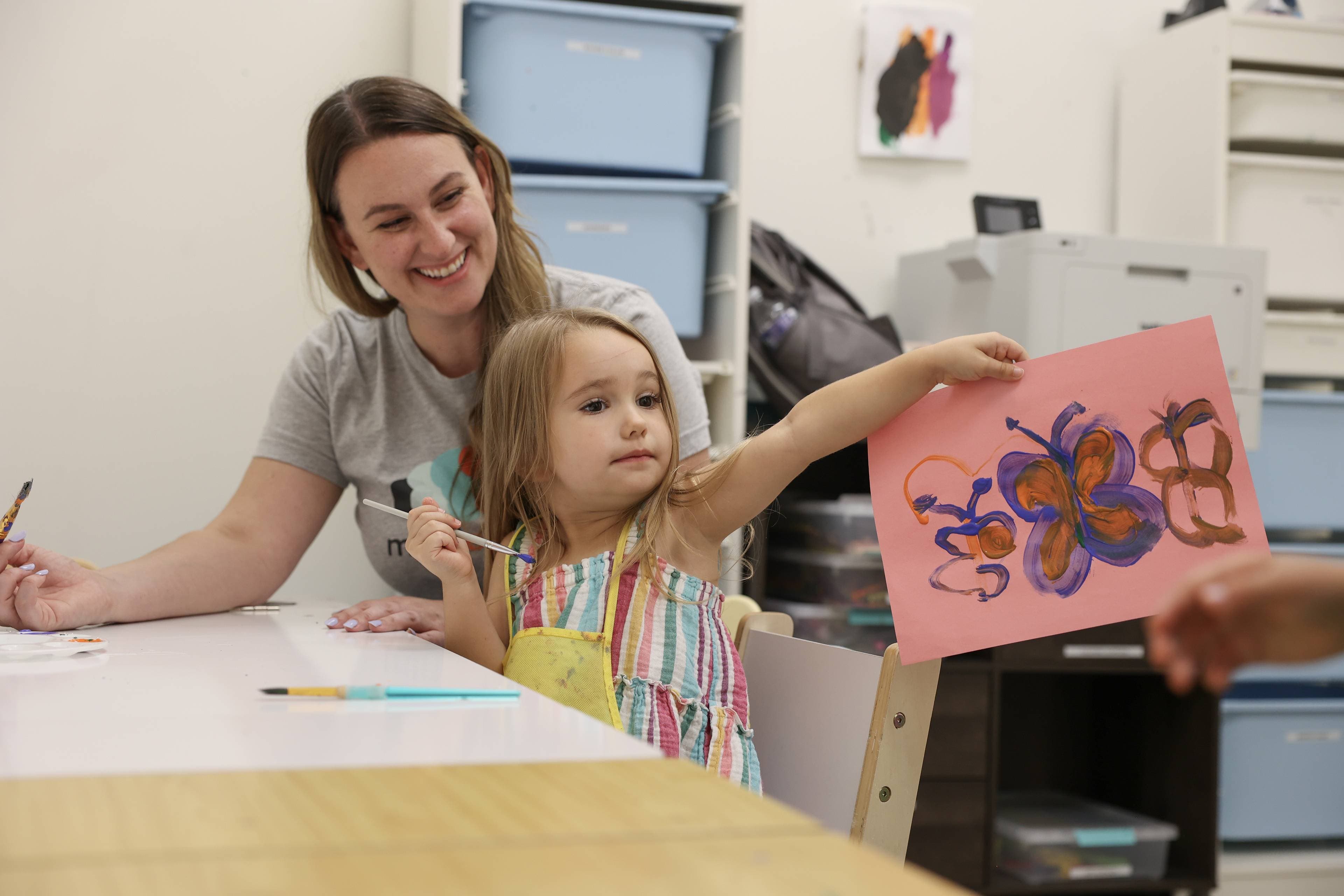
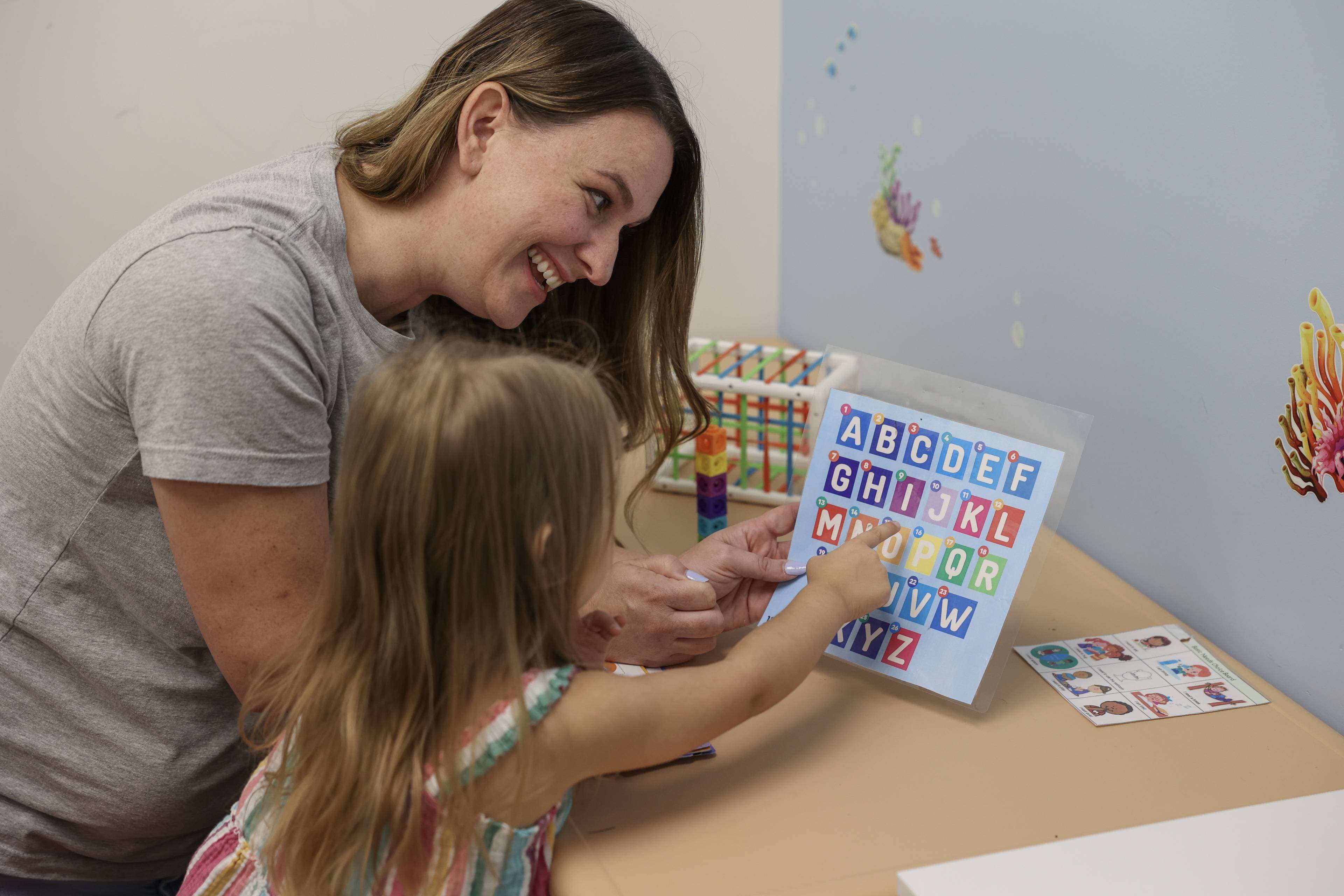
We look forward to welcoming you to our new Appleton location this winter!
Mindcolor Autism’s center in Appleton delivers ABA therapy and autism services to families in Appleton, Kaukauna, Little Chute, Grand Chute, Kimberly and surrounding areas.
Our dedicated team of Board Certified Behavior Analysts (BCBAs) and behavior therapists and technicians at our Appleton center provide compassionate, individualized ABA therapy for your child.
We work with children ages 2-9 and accept most commercial insurance plans and Tricare. By raising the bar for autism services and breaking down barriers to care, we strive to help every child with autism receive the care they deserve.
Fill out our get started form to start our onboarding process or call us or email us today.
Autism Care for Families in Appleton, Wisconsin
Our team offers autism therapy services in Appleton for children 2 to 9 years of age and the families who support them. Families come to us from Appleton, Kaukauna, Little Chute, Grand Chute, Kimberly and surrounding areas, and each child receives a plan built around their strengths, routines, and goals.
Early Intervention for Young Children on the Autism Spectrum
Pediatricians recommend autism screening at ages 18 months and 24 months, and families can reach out to our team at any age. Early intervention gives children more time to practice communication, play, and self-care while they are learning quickly. Whether your child is 2 years old or 4 years old, early support can help build skills that carry over to home, school, and the community.
Personalized ABA Therapy for Children in Appleton
No two children learn the same way. After an assessment, your clinical team builds a plan around your child's strengths, needs, and goals, and your family helps shape each update.
The goal is to help each child reach their full potential, with skills that matter in daily life. Progress is tracked each session, and ABA relies on evidence-based practices, so teaching changes when the data shows it should.
Behavioral Strategies for Reducing Challenging Behaviors
Some children need help with behaviors that make daily life harder, such as frequent meltdowns or difficulty with transitions. This approach focuses on lowering challenging behaviors by finding out why they happen and teaching a safer, more useful way to get needs met. For example, a child who screams to get a break can learn to ask for one.